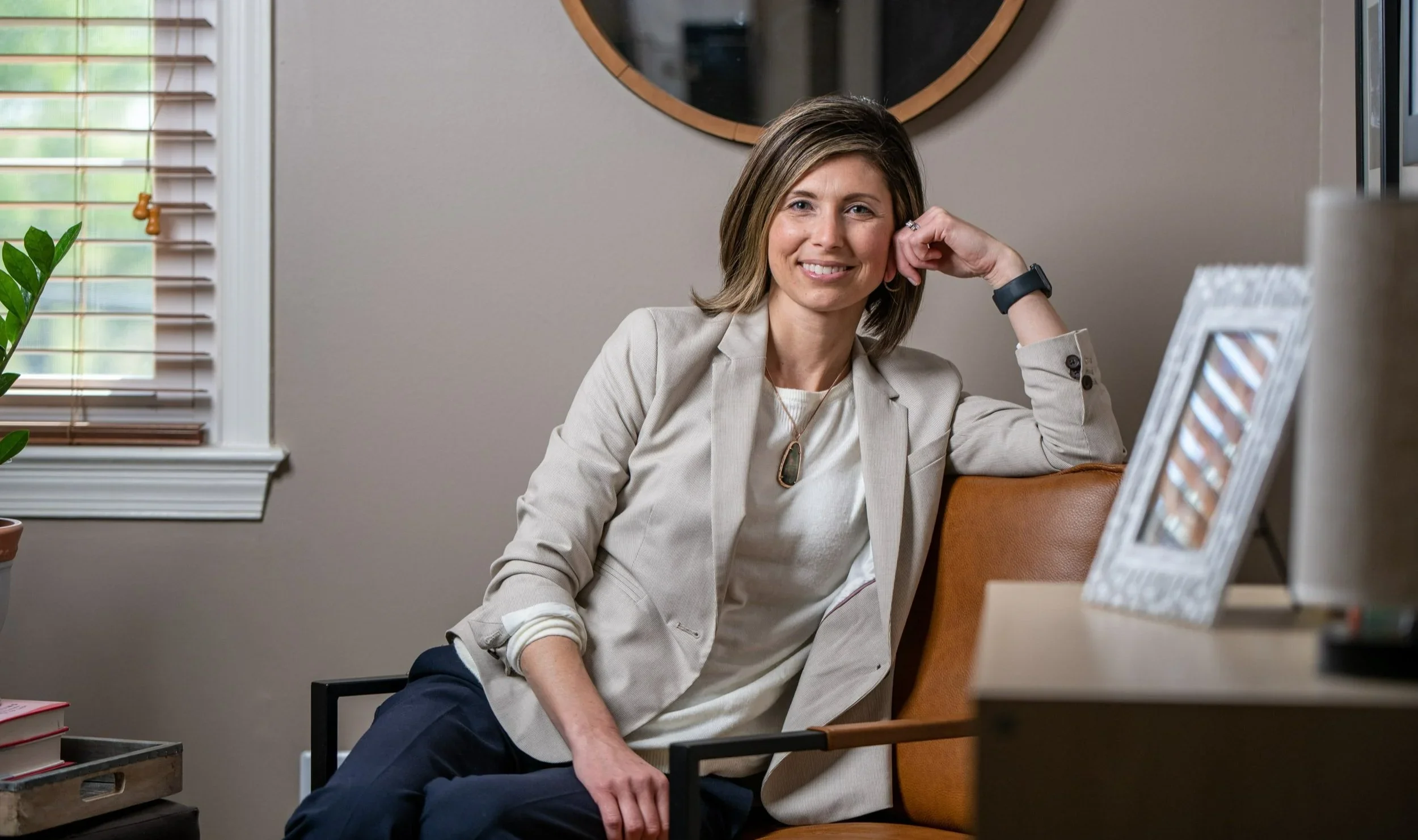

In January 2022, Carrie Fox set out on a blog series called Finding the Words because she had something to say. By the end of the year, you were doing more than listening. You were deeply in this work with her. And because of you, we’re keeping this series going, every week through 2023 and beyond. Our promise: Carrie will keep delivering these essays each Wednesday morning to further support your work as acommunicator for change. Your promise: keep telling us how these insights are impacting and influencing your work.
Here are some of the most regularly shared columns. If you like what you see, then subscribe here.
It’s Yours for a Season
The people closest to AI technology are the most concerned about it. Our job as leaders is to do what we know is needed in this moment: to set the standards that the giants have yet to set for us, and to decide how we'll use AI and on whose terms.
Consider THIS Your Prompt.
The people closest to AI technology are the most concerned about it. Our job as leaders is to do what we know is needed in this moment: to set the standards that the giants have yet to set for us, and to decide how we'll use AI and on whose terms.
An Observation.
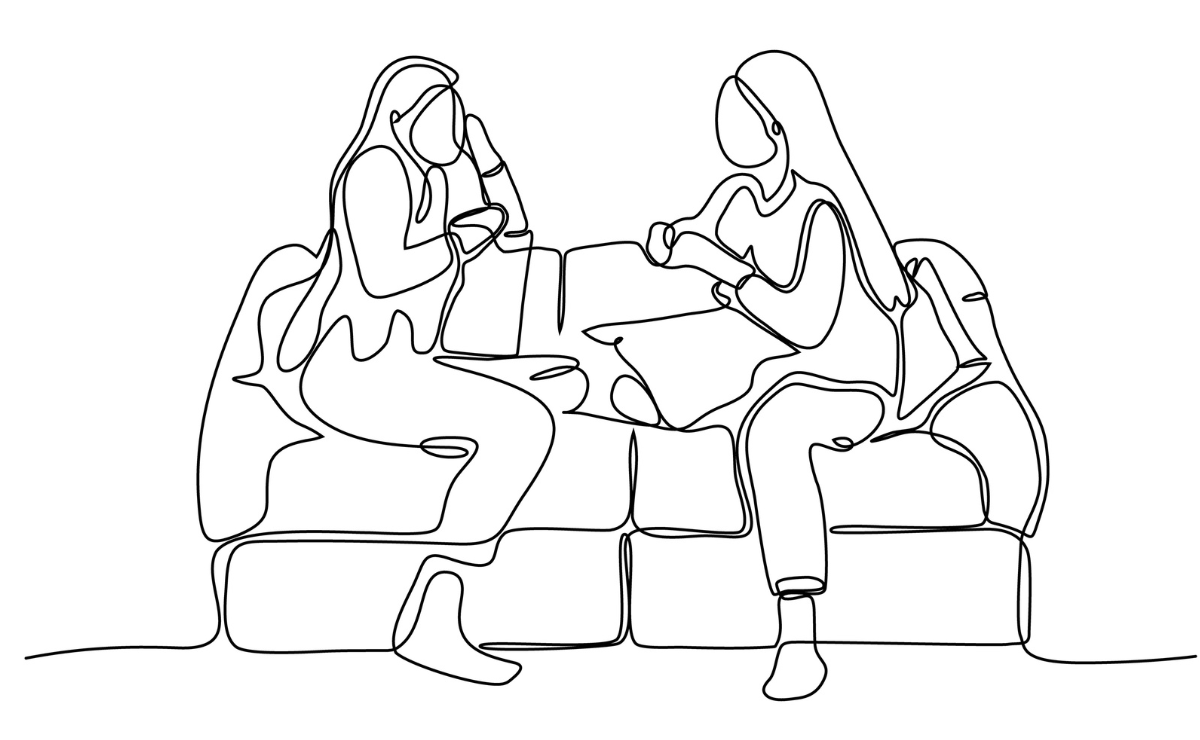
Observation is essential to communication, but it requires one thing we're often unwilling to compromise on: setting down devices long enough to process what we're seeing, what we're hearing, and how we can make sense of the information around us to inform our own actions.

Shared Language.
That's the power of shared language in a complicated moment. It's not about how many words we use, but how we use them to advance the common good. Tyler described these short and powerful poems as working "at the atomic level of communication," the smallest unit, the place where meaning is made or lost. The words we use to describe our hardest challenges, he said, can shape our relationship to those moments.
This Too Shall Pass.
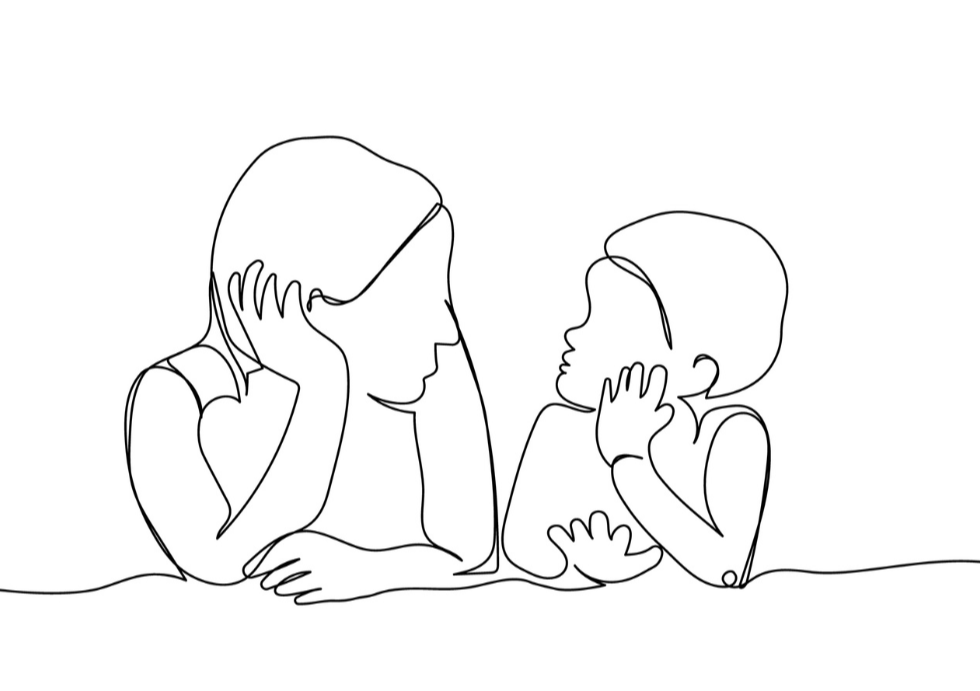
Every now and then, I come across a relic — some flash of a time gone by that brings me right back to who I was in that earlier moment. Just like that, and I'm the clumsy middle school kid again. Or the young and struggling professional, the new mom, the budding business owner…
Usually, the feeling emerges when I rediscover a photo on my iPhone. Memories from this day, in some long-ago year. Sometimes it's not a photo at all, but a smell, or a place, or the sound of a voice.
Are You Busy or Building?
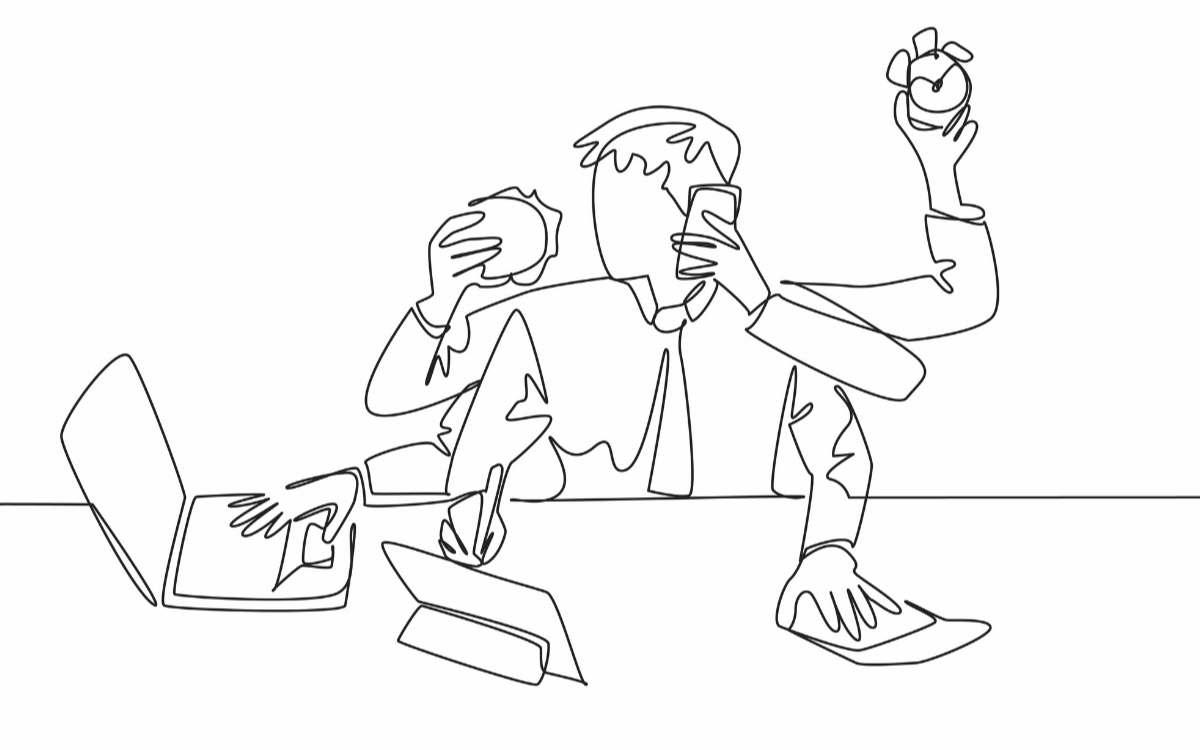
The next time a day leaves you feeling empty, resist reaching for a longer to-do list, and ask a better question instead; from "What did I get done today?" to "What did I/we move forward?"
You may not be able to check off as many items on your list, but I guarantee you will have made incremental progress on something much more meaningful.
When Less is More.
Organizations that break through are rarely the loudest or the quietest. They're the ones brave enough to find the balance: to say what's true, make it matter now, and say it in a way that's worth repeating, and acting on.

The Best-Kept Secret?
Ah, the best-kept secret. It's a phrase I've repeatedly heard from nonprofit organizations, often as a point of pride and a call for marketing help. If ‘best-kept secret’ is a phrase you’ve used to describe your nonprofit, I’m going to suggest you retire it. Because the term may be limiting your organization's ability to become more well-known.

How's Your Heart?
Her questions are different by design because they invite an actual answer. Some might say Dianne’s approach is just a warmer way to start a conversation, but the longer I've gotten to know her, the more I've come to believe it's something bigger.
In times like these, with all their distraction and division, asking a real question and sticking around for the real answer is a radical act of communication.
"Is America Possible?”
In my office hangs a framed quote from the writer and activist Audre Lorde: "It's not our differences that divide us. It's our inability to recognize, accept, and celebrate those differences."
I put that quote on my wall years ago and read it daily. First spoken in September 1979 while Lorde was at a conference in New York, the words remain relevant and thought-provoking for me today.
Our differences don't divide us.
Or do they?

Leave It Better Than You Found It.
You don't build a conscious culture by announcing it. You build it by living it, in the small moments, until the standard becomes contagious. Win, lose, or draw, we can all choose to leave it better than we found it.
Five Minutes.
Truth is: it's never really about your five minutes. It's about whether your audience will want to keep listening after your five minutes are up. So, go in prepared to make the most of those few minutes, and your audience will soon stop watching their time, and they'll start asking for more of yours.
Life is Asking.
Which brings the question back to us, here today. The pressures we're navigating may not look like a heated 60 Minutes staff meeting. But the question beneath our tension is the same: when truth is tested, and independence is challenged, will you sit idly by, or will you tell people what they do not want to hear?
A Call For All of Us.
This moment is a call to action for all of us: leaders, communicators, educators, designers, and technologists alike. Leo's words are a reminder for us all, regardless of religious beliefs or background, that every choice we make about how we build, deploy, and talk about AI is a values statement. How we care for the margins — the people most likely to be left out, left behind, or actively harmed — is the truest test of whether we are using these tools wisely.

This Wasn't The Plan.
We don't just want to do well. We want to do it perfectly. And when we don't, we judge ourselves harshly for it. For many of us, the voices of judgment can be paralyzing, limiting us from taking risks or showing too much vulnerability. Perfectionism can limit our ability to be fully present.
Just Because You Can...
Leaning into learning will always matter. But it's also OK to name just how far you'll go at each stage of the learning journey. Staying values-driven and being willing to ask, "what-are-we-willing-to-protect, and how far are we willing to go?” is critical to ensure your team doesn't end up in the danger zone, without a life raft to pull you back to safety.
Planning For Your Absence.
If you had to step away from your role tomorrow — planned or unplanned — would your organization know what to do? Would the right people have the right information? And have you communicated your wishes clearly enough that your absence wouldn't create a crisis?
Aligned for Good.
The work we do at Mission Partners has always been about human impact, and our approach to AI is no different. AI will not replace our thinking, and it need not replace yours. But when used and governed well — with minds open and values intact — we believe it can open new doors to innovative methods of learning, working, collaborating, and advancing mission-driven work in ethical, responsible, and more meaningful ways.
The Sound of Silence.
The leaders who navigate these moments most effectively are rarely the ones with the best words. They're the ones who did the thinking before the moment arrived — who know their mission filter, have a trusted team ready to convene, and have already decided, through the lens of their values, what they will and won't speak to publicly. That preparation is what transforms a reactive scramble into a grounded response. And it's what keeps silence from becoming its own kind of harm.
Growing in the Right Direction.
If you're in a season where progress feels slower than you'd hoped, I want to offer you this: there are many ways to measure growth, and even more ways to make an impact. Progress is not always obvious, and it is not always off the charts.
But it is always possible.
Looking for more?
Read the first year of Finding the Words articles.